Internet of Dots
  • Home
  • Photography
  • Anime
  • Reviews
  • Hacking
  • loading
    Web site found. Waiting for reply...

    Welcome to the Internet!

    pretty silly

    ૮꒰˶> ᴗ <˶꒱ა !! Hello intrepid internet explorer ! enjoy your stay !

    📢 ANNOUNCEMENT 📢

    This site is best experienced with a sense of wonder and nostalgia.
    Please ensure your monitor is set to 256 colors for the full experience!

    The internet is a very vast place and recreating it is a rock i must chip away one strike at a time.
    I am planning to use this as a display for my art , post silly reviews and my collection of the most random things i find on the dark alleys

    ⚡ WORK IN PROGRESS !! STAY TUNED FOR MORE UPDATES ! ⚡

    The hacking page works, check out if you wanna be a l33t hax0rNEW!

    Under Construction 🚧 Page Under Construction 🚧 Under Construction

    Made with
    ❤️ and caffeine
    Best viewed
    800x600
    Netscape
    Enhanced
    Not Y2K
    Compliant

    Under Construction . . . . 建設中

    Must.... keep ... typing


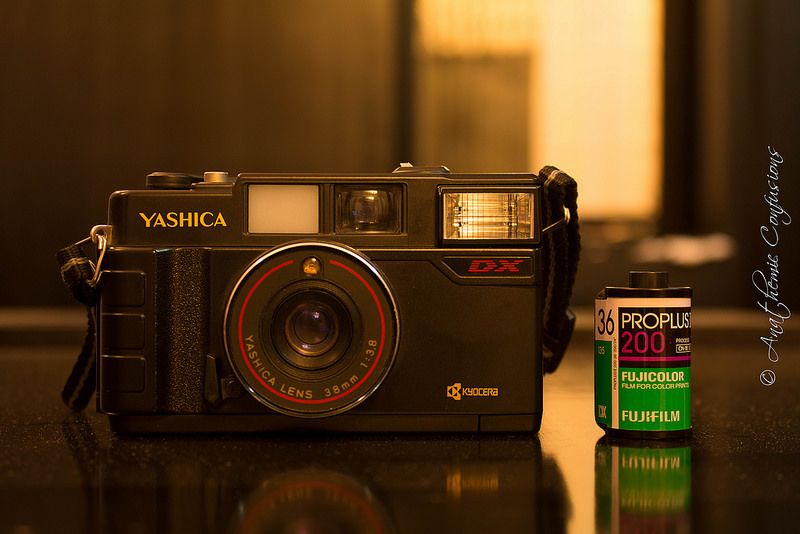
    Six years ago, when I had nothing but an endless supply of time, I stumbled upon the old Yashica MF-2 in my parents' closet.
    Being able to "frame" time and thus "life" itself in a space.....
    before everyone and everything in it eventually and inevitably turns to shit fascinated the little teenage me to no end.
    But as a high school NEET / ニート with no money (and being born in 10 years too late), shooting film / フィルム was out of the question.
    So, I did the next best thing: I dedicated time and tried to learn everything I could about photography, not as a craft but as an art.

    ═══════════════════════════════════════════════

    Here I have chosen to write my findings, in hope that it may help a passing stranger / 通りすがりの人 and also for me, to come back and find the fire if I misplace it along the way. So here it goes:

    With every piece of art there are artists and with artists, there are philosophies and with philosophies,

    There comes banger quotes:

    The World Cares Nothing For Us

    However much we care about the world, the world cares nothing for us.
    That simple and clear reality is where I start.
    The world which displays itself before our eyes may seem very remote from "me,"
    but this doesn't imply at all that the worlds has cast "me" out;
    that statement implies only that a wounded human feels that the world has rejected him.
    Landscapes are landscapes. They simply exist with no regard for "me."
    Unlike our interior landscapes, they are not at all obscure.
    The reason one takes a camera in hand is to break the link that seems to bind the landscape to the self.
    - Osamu Kanemura

    Part 1 : Moriyama
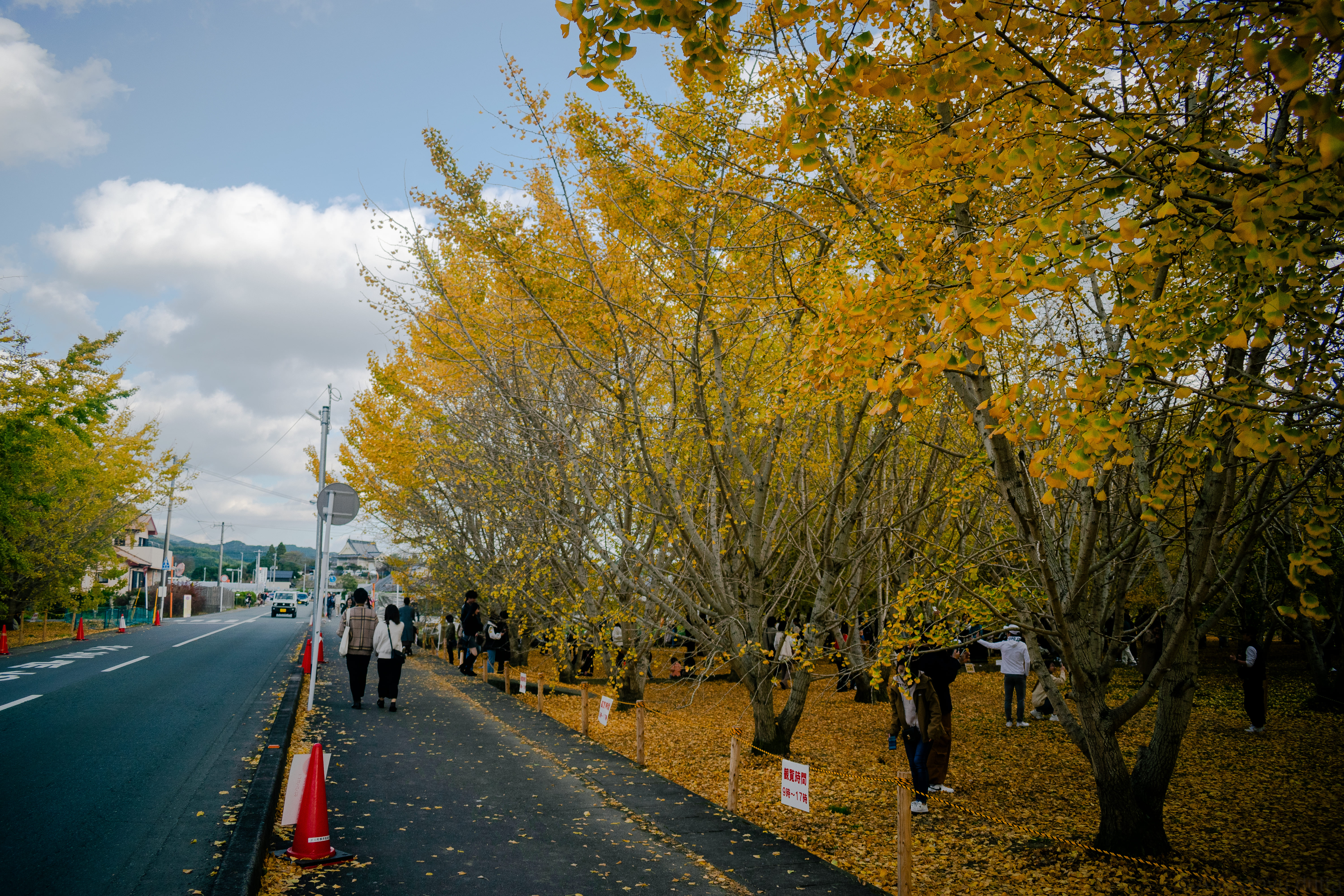
    ✦ Street Photography Philosophy ✦
    Japanese street scene

    Japan Is a beautiful place .

    You know that. I know that. Everyone and their mother knows that.

    You point your phone to literally any general direction in Japan and it's an instant 10/10 Insta-worthy pic (or whatever the zoomies call it).
    This is not magic / 魔法 (I really thought it was) rather this is a product of Japanese society and their culture;
    which highly values perfection and saving "face" / 顔を立てる in the society. inside and outside.
    Trousers meticulously ironed, creases align with the tip of the boots, every speck of fallen leaves swept off from the road,
    fishes released in the drains for aestheticmaxxing all that kinda stuff.
    Dirtyness itself is a curse to be exorsiced, a pest to be exterminated before midnight...
    As if it never existed in the land of the rising Sun / 日の昇る国

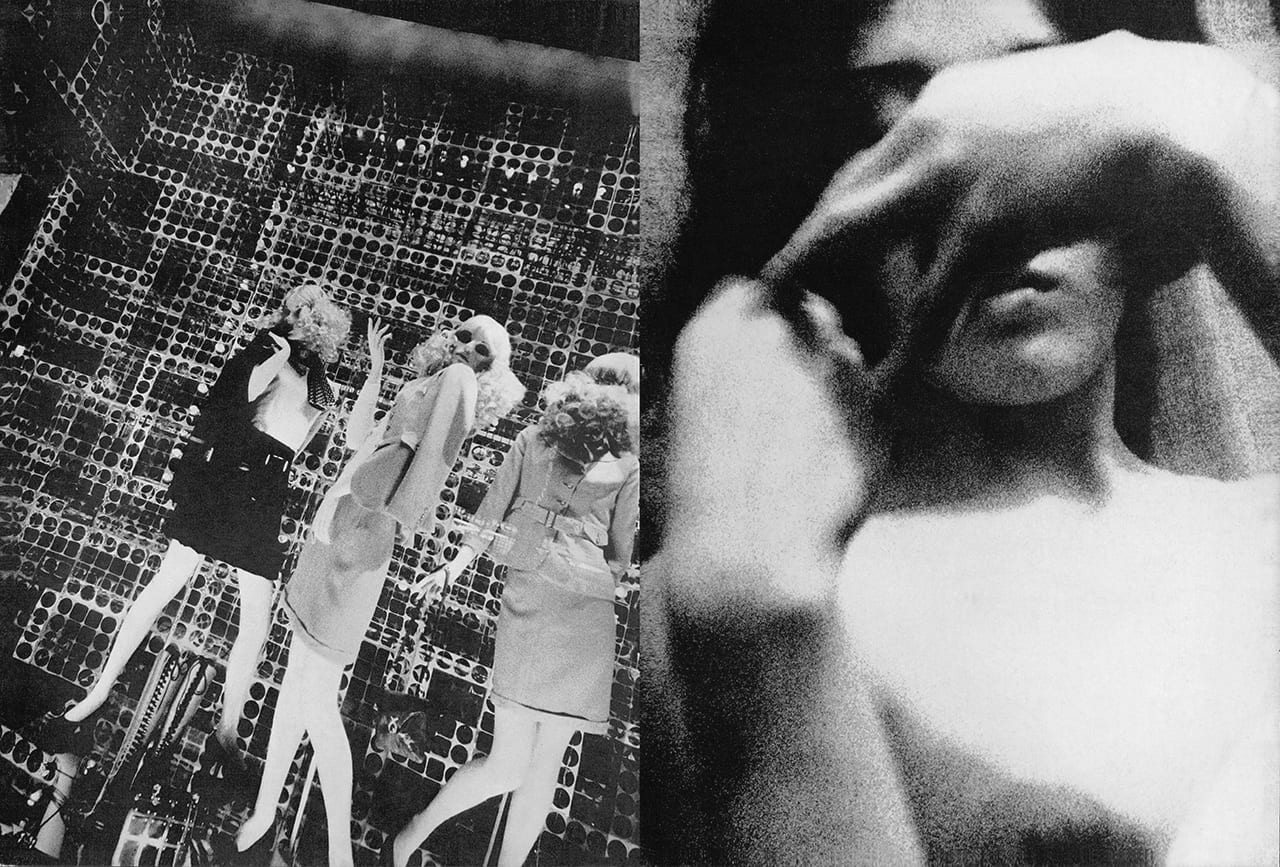
    Having grown up in such a society a photographer going by the name of Daido Moriyama / 森山大道 started shooting pictures.
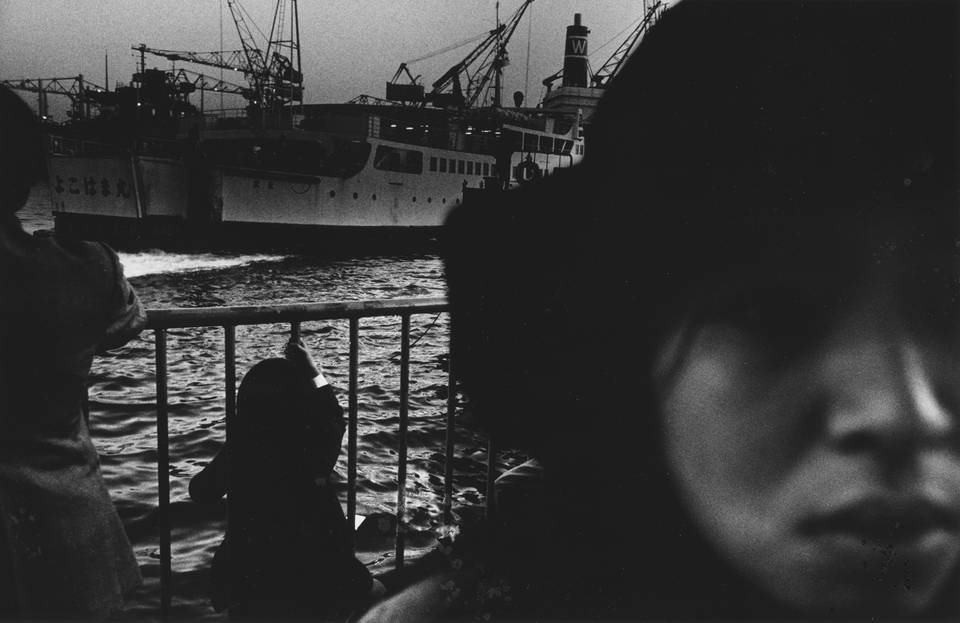
    Daido Moriyama's gritty photograph

    Dark gritty pictures / 暗い粗い写真,

    Another Moriyama photograph

    some may even call them shitposts / シットポスト;
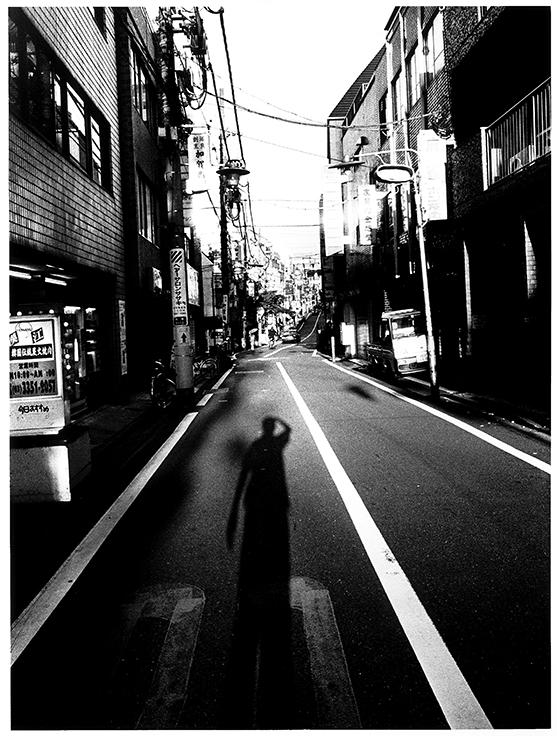
    Blurry street photograph

    badly composed, blurry messes, fked up exposures, totally random subjects
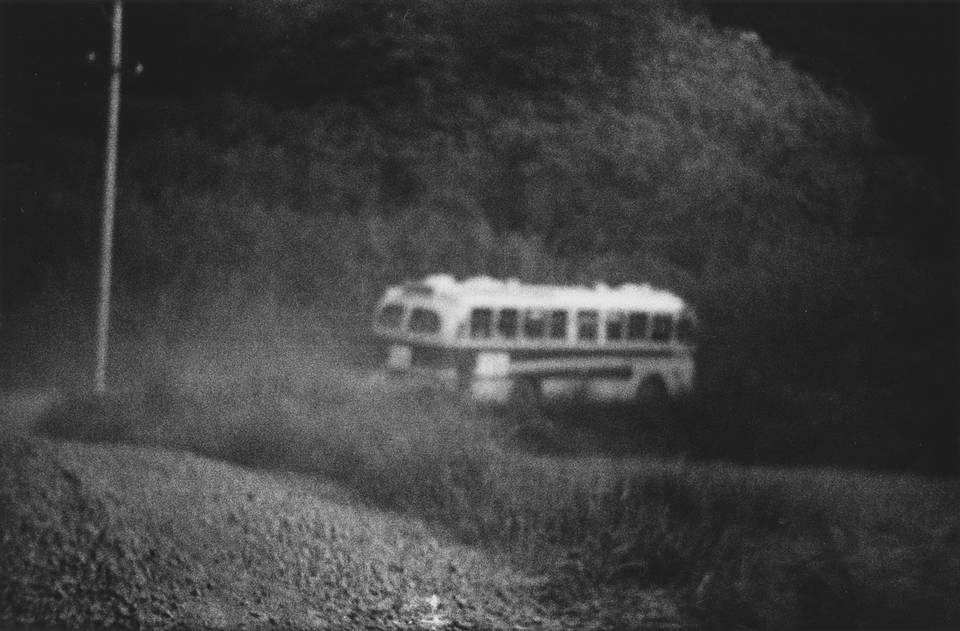
    Random street photograph

    One surely has to be the dumbest bufoon to be shooting and publishing books with such pictures in beautiful Tokyo / 東京,

    Or the most astronomical genius / 天才.

    Let's me take a break from photography here and segway into another medium of art for a moment: Poetry / 詩.

    As someone who casually clicks links and reads blogs on internet (read: pretty cool guy/gal ;)
    you might know of Haiku 俳句, The Japanese poetic form consisting of 17 syllables (5-7-5)

    The pretty famous haiku we got is:

    古池や
    蛙飛び込む
    水澄む

    - By Matsuo Basho / 松尾芭蕉

    Translated to English, it is often interpreted (poorly) as:

    An old silent pond...
    A frog jumps in,
    The sound of water...

    In a few words, he creates a moment of nature for you to step into

    Haiku is about capturing the essence of a moment, often with a focus on nature and simplicity.

    It is a form of poetry that embraces the beauty of what might initially seem mundane, boring or unimportant.

    Brown sneakers standing on scattered yellow ginkgo leaves covering grass on an autumn day

    The yellow snow will fall regardless,
    without a care about
    the one who sweeps it tomorrow.

    - my dumbass larping as a poet

    This way of thinking... Finding beauty in seemingly mundane everyday things is famously called Wabi-Sabi / 侘び寂び.

    Leonard Koren writes in Wabi-Sabi for Artists, Designers, Poets & Philosophers:

    "Wabi-sabi is the beauty of things modest and humble. It is the beauty of things unconventional." / 「わびさびとは、控えめで謙虚なものの美しさである。それは型にはまらないものの美しさだ。」

    There is a quiet magic / 魔法 in the way things fade.

    A teacup, cracked from years of use, holds the memory of warmth better than a flawless one ever could.
    The peeling paint on an old wooden door tells more stories than a freshly varnished surface.
    A haphazardly shot blurry mess / ぼやけた写真 of a photograph can narrate your memories,
    things you felt, better than a calculated/manipulated perfect shot ever can.
    One hangs behind the door on the wall
    and one stays hidden between the pages of your scrapbook along with your deepest and purest things you felt.
    This is wabi-sabi---the art of loving what is broken, fleeting, incomplete and imperfect
    (see? If someone ever calls you a loser, just smirk.. knowing they are too dumb to get the wabi sabi lol)

    It still baffles to me how the Japanese believe in the concept of loving the imperfections
    but at the same time also believe in hiding their true selves and all the ugliness in society as I mentioned in the first paragraph.
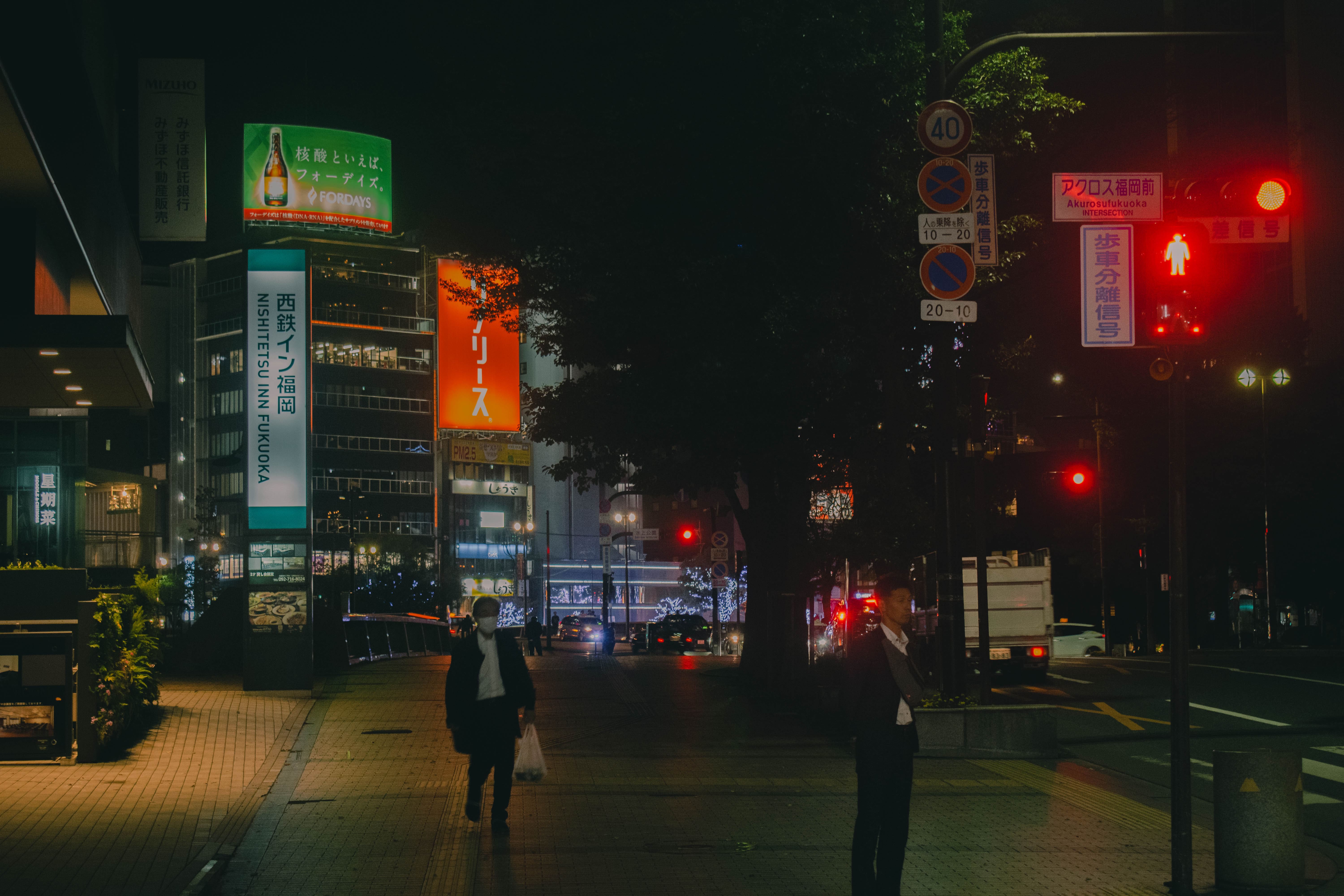
    Contrast in Japanese society

    Something I pondered every once in a while I live here. Guess they are both sides of the same coin,
    or rather something along the lines of "imperfections and ugliness are beautiful only if it's aesthetic" maybe.
    If you have any answers to this or you are a Japanese person please write your thoughts in the guestbook or my email.
    Would love to chat about it.

    Anyways, back to Photography here!

    Daido Moriyama wrote a book called "MEMORIES OF A DOG" / 「犬の記憶」(inu no kiyoku)

    Memories of a Dog book cover

    In his book, he talks about his youth and his experiences with moving.

    He had a feeling that he had no hometown.

    For him, photography during his travels is a part of his search for the feeling of having a "hometown".
    collecting pieces from all over the streets, in an effort to create what he was not given by fate.
    He also talks about his struggles: Memory.

    Where is the boundary between memory and reality? I think this philosophical questioning is reflected in his photos,
    which read like faded memories.

    The title of the book comes from a photo of a dog he took:
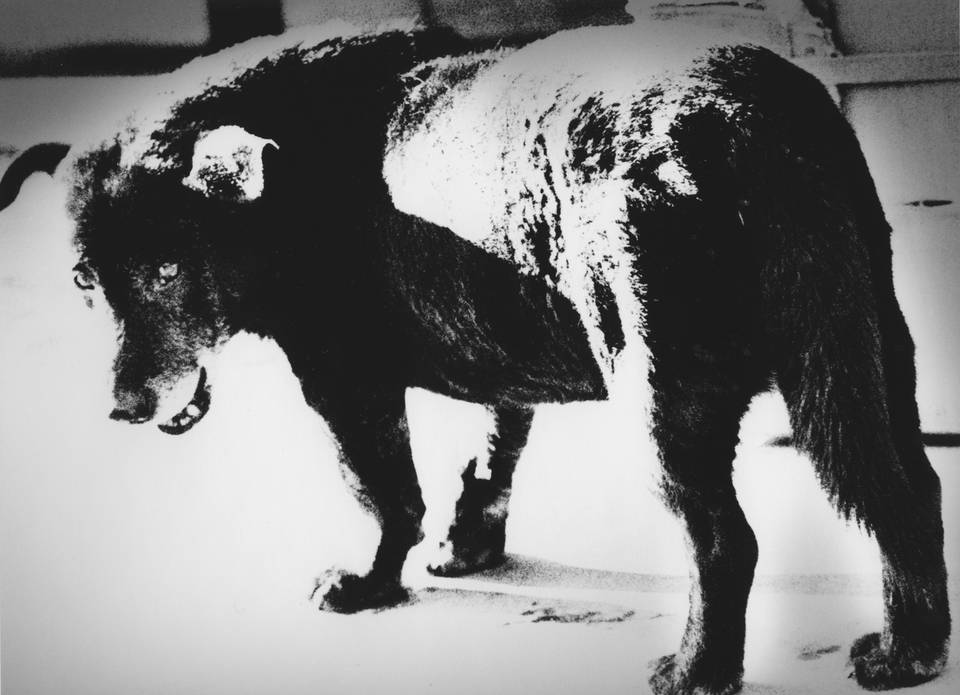
    Moriyama's famous stray dog photograph

    A dejected, dirty stray dog (pretty iconic pic and also a metaphor for him)
    who wanders the streets and (dirty) alleys
    away from the clean and pristine Japan streets (where stray dogs are not allowed).
    Just like stray dogs seek food in the dirty alleys, Moriyama seeks images / イメージ in the same places.

    My childhood experiences too, are full of moving due to family circumstances.
    Making friends just to say farewell a few months later,

    make new friends in new places,

    rinse and repeat until you give up eventually.

    The way Moriyama approached life and his work made a lot of sense to me. Something which made me love the craft evermore.
    anyways, while we are still on the topic of dogs, here's a picture of a good boi:

    A friendly dog

    Part 1 to be continued ...

    Part 2 : PROVOKE

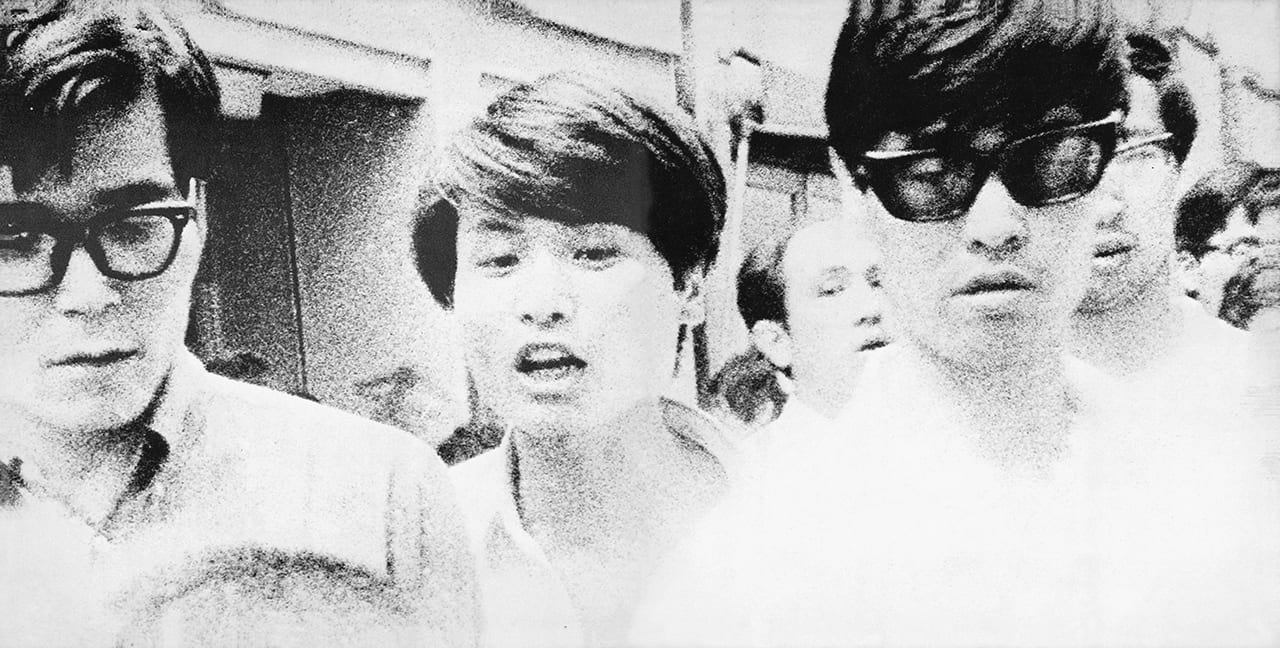
    Picture this: It's 1968. Japan is a pressure cooker of student riots / 学生運動,
    anti-war protests, and a generation screaming into the void of post-war consumerism.
    Meanwhile, in a smoky Tokyo bar,
    four guys---armed with cameras, cigarettes, and zero patience for pretty pictures---
    plot to blow up photography / 写真 as the world knows it.

    Thus, the PROVOKE movement was born.

    (pics sourced from https://www.1854.photography/2018/11/50-years-since-provoke/)

    The Unholy Trinity (Plus One) / 聖なる三人組(プラス一人)

    The founding misfits:

    • Takuma Nakahira / 中平卓馬 -- The mad theorist who wrote essays like he was throwing Molotov cocktails.
    • Kōji Taki / 多木浩二 -- The critic who probably wore sunglasses indoors.
    • Yutaka Takanashi / 高梨豊 -- The quiet one who let his camera do the yelling.
    • Takahiko Okada / 岡田隆彦 -- The poet who probably scribbled manifestos on napkins.

    And then, Daido Moriyama showed up for Issue 2

    Their Manifesto (Or: How to Piss Off Every Traditionalist)

    Their mission statement was basically:

    "Words are dead. Reality is a mess. Here's some grainy, blurry, chaotic photos---deal with it."
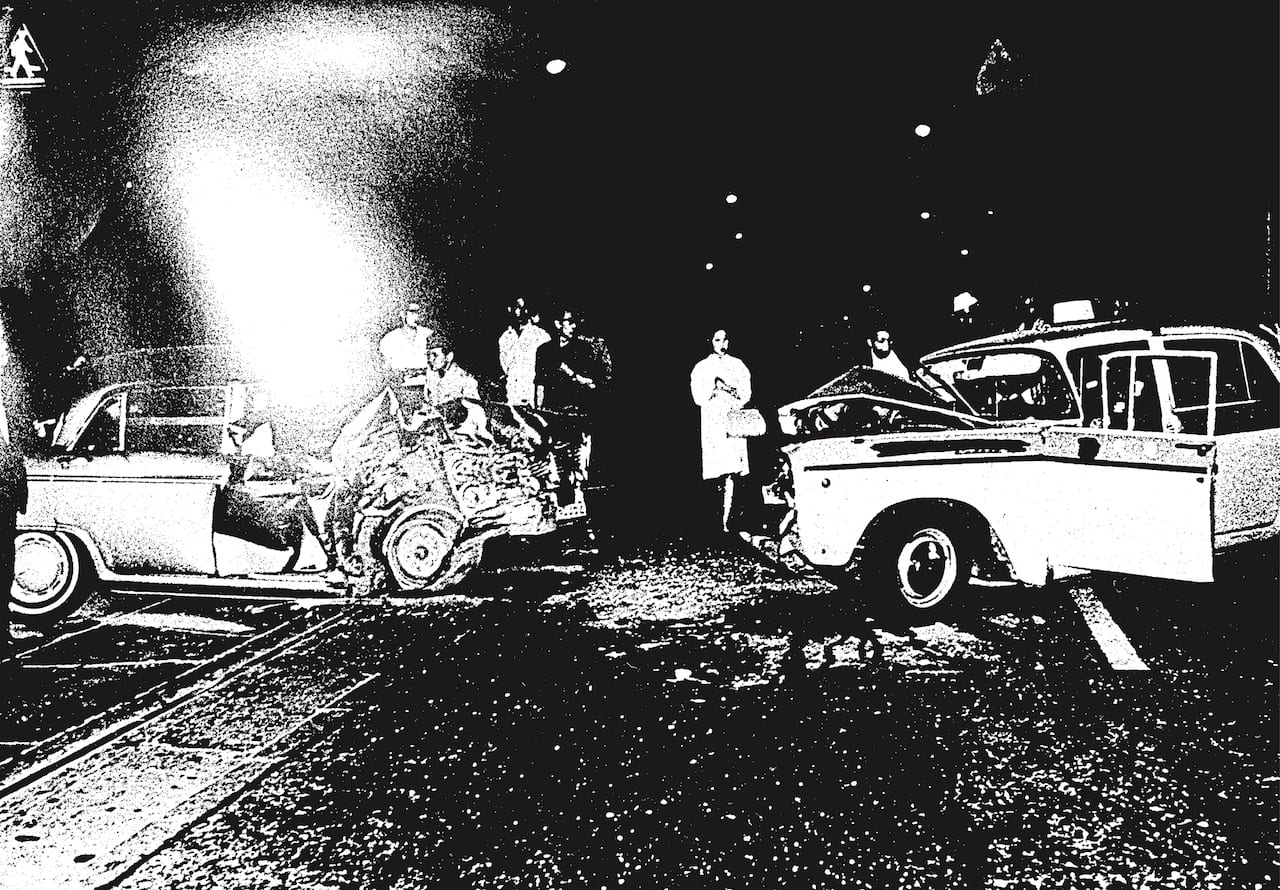
    wtf is this

    They called it are-bure-boke (粗い・ブレ・ボケ)---
    literally meaning "grainy, blurry, out-of-focus."
    a middle finger to the clean, polished photography of notable western artists of the time

    Here are some cool facts about the magazine::

    The Magazine That Lasted as Long as a Cigarette

    • Only 3 issues (1968--1969), each printed in 1,000 copies (because who needs mass appeal?).
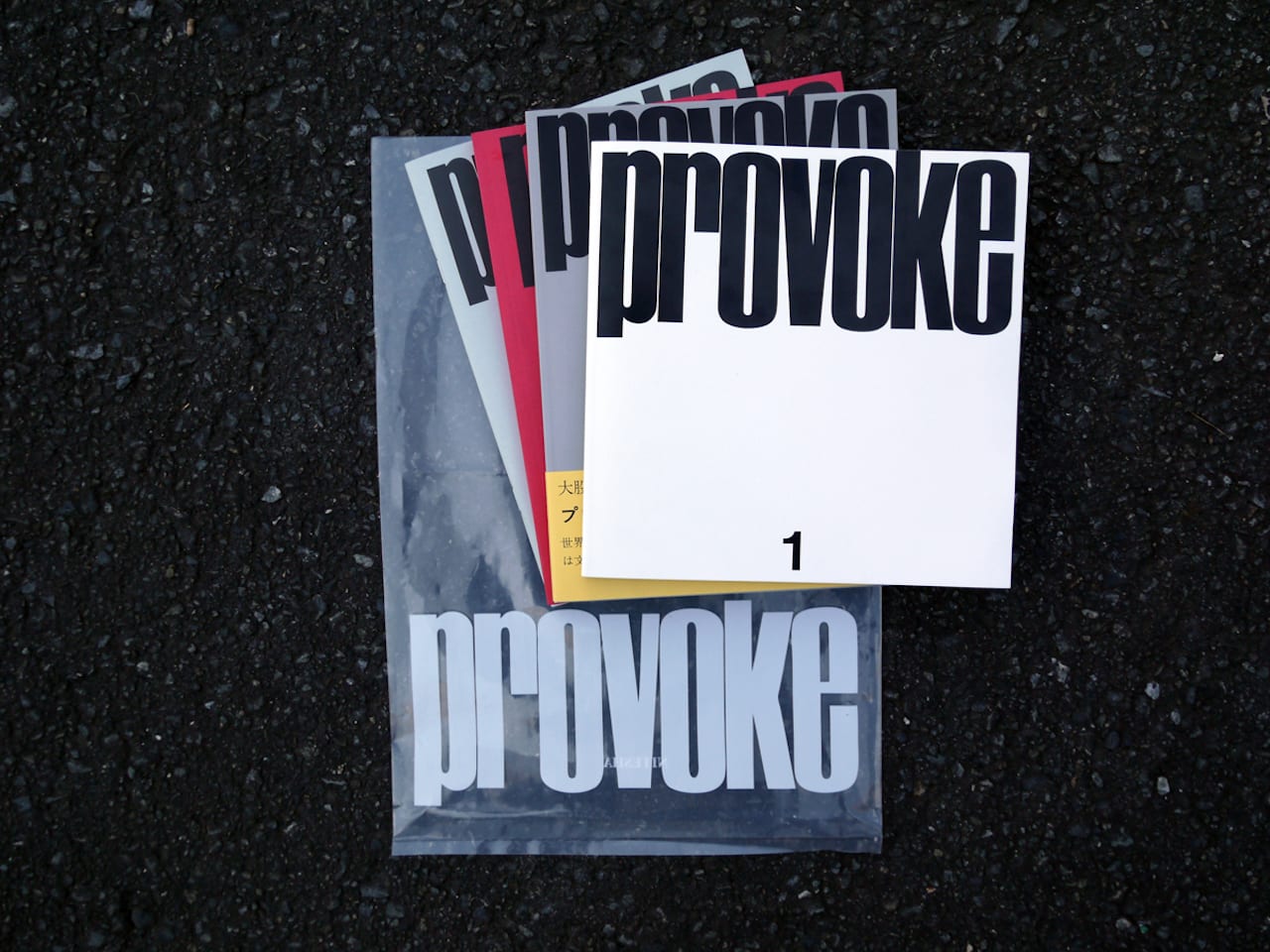
    PROVOKE magazine cover

    © Nitesha, 201

    • Layout? Imagine if a ransom note and a punk zine had a baby. Text bled into photos, margins didn't exist, and every page looked like it was printed in a back-alley basement
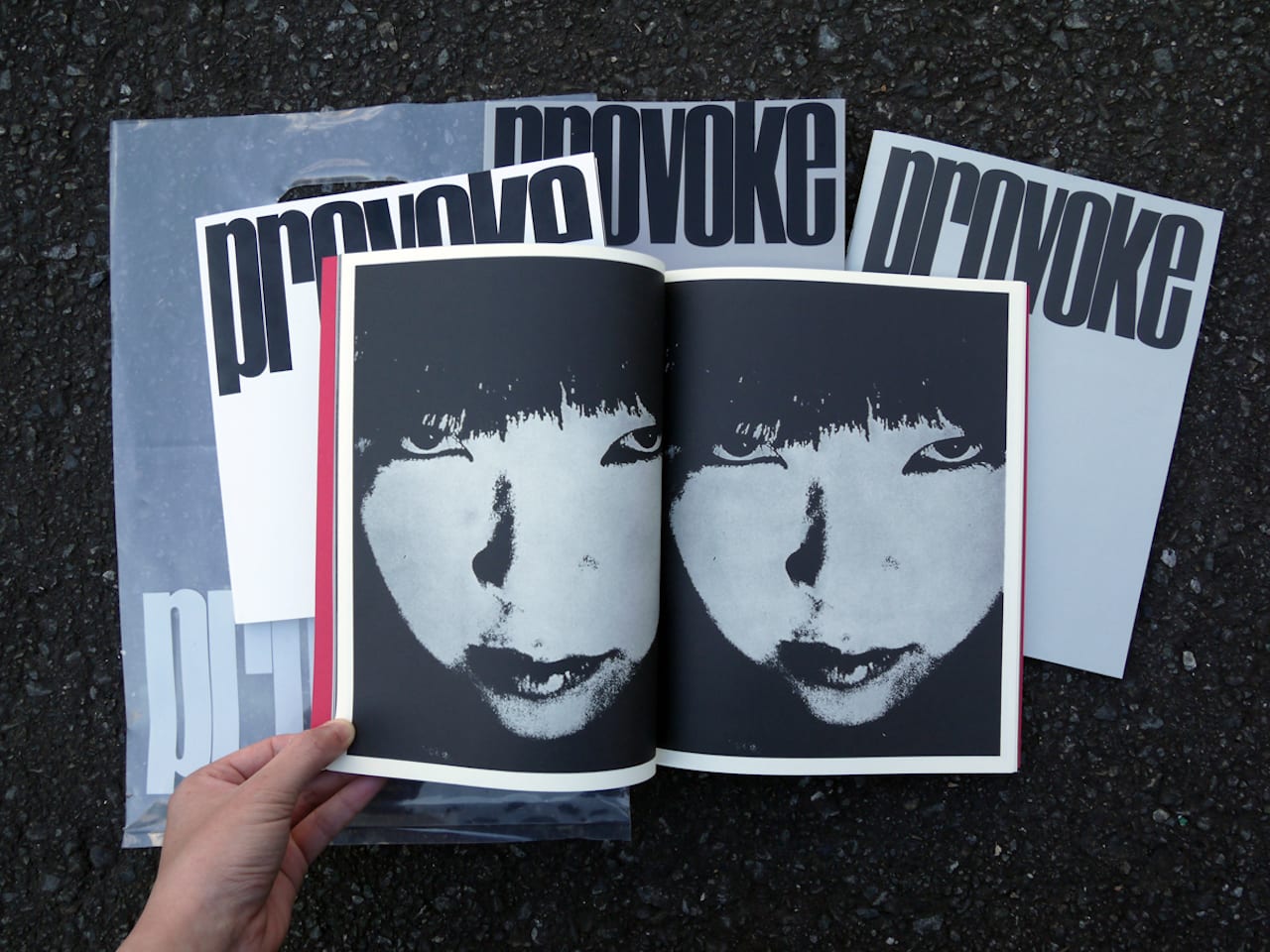
    PROVOKE magazine interior
    • Content? Photos of alleyways, stray dogs, protest chaos, and existential dread. No captions. No explanations. Just vibes.
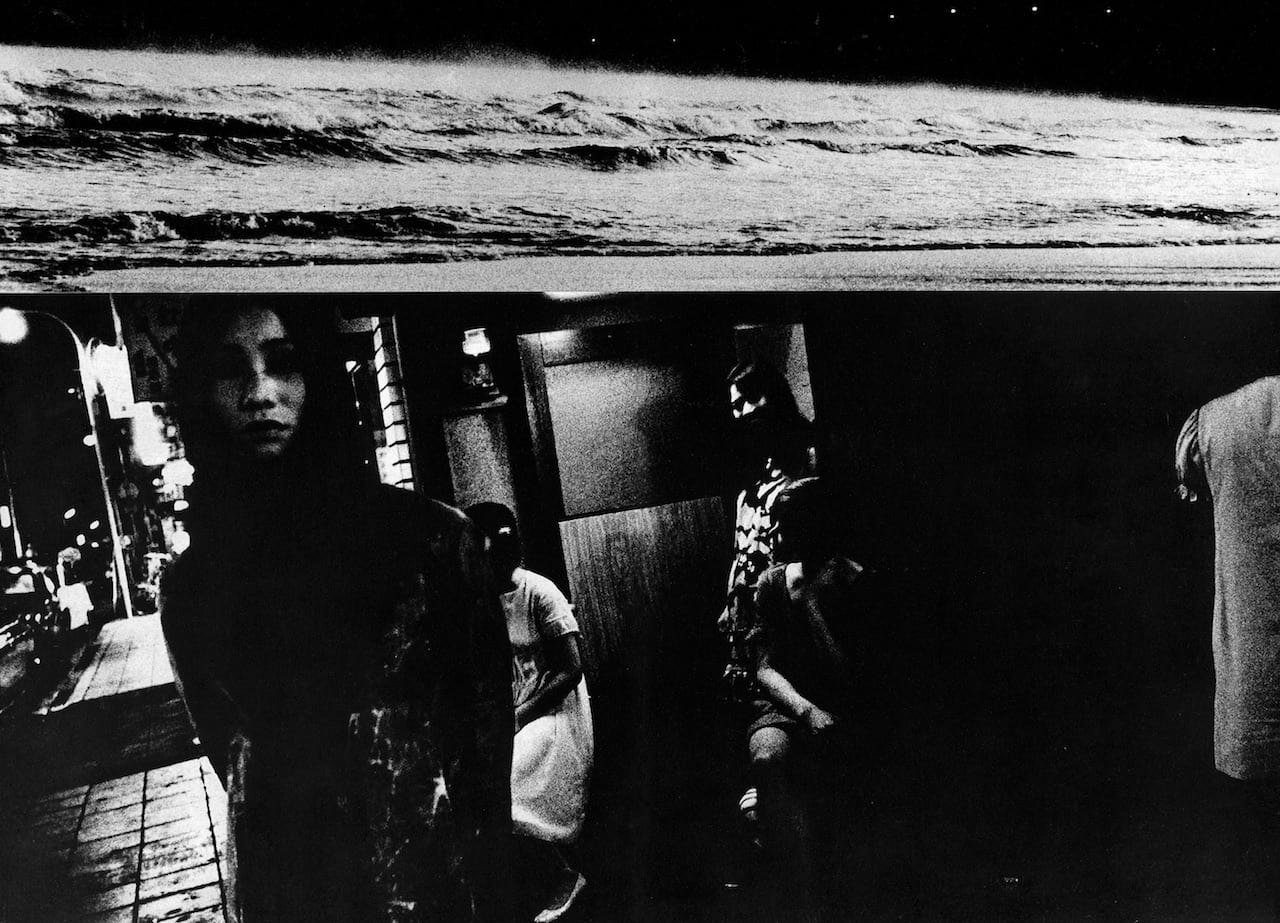
    PROVOKE magazine cover PROVOKE magazine cover PROVOKE magazine cover PROVOKE magazine cover PROVOKE magazine cover PROVOKE magazine cover
    Photography was a Weapon

    This wasn't National Geographic. It was raw, unfiltered reality---
    like if your drunk uncle's vacation photos were actually profound.
    The group was like your stereotypical Japanese high school deliquents,
    breaking every rule in photography was an any% speedrun

    The Aftermath

    After PROVOKE imploded, its members went on to define Japanese photography:

    • Moriyama became the godfather of "shoot first, think never" philosophy of street photography.
    • Nakahira wrote For a Language to Come, a book so dense it probably requires a PhD to fully unpack.
    • The rest faded into legend, leaving behind a trail of rare magazines that now sell for more than $20,000 USD

    PROVOKE lasted less than a year, but it changed photography forever
    even 50+ years later guys like me who weren't even alive back then
    are writing down their legacy down at 3am on a Monday morning.

    Fast-Forward to present day, we face a similar dilemma as the guys who started the PROVOKE movement.
    Perfection has slowly creeped up in our generation

    When we see someone's instagram, someone's perpetually "under construction" self-hosted site, or someone's resume...
    We look for clarity, we look for perfection.
    Modern media .. be it movies, series all of them are now shot with predefined algorithms,
    based on data on what users like.

    We have given up on portraying the mundane.

    Perfectly aligned shots with AI camera filters to crank perfection up to 12.
    AI writers to make your post "perfect",
    AI tools to make your music sound perfect.

    You can add more to the list, we are victim of the same times.
    Perhaps that's why you are here...
    Reading broken people's broken thoughts
    scribbled over half-broken sites in a hidden corner of the internet.....
    looking for genuine stupidity in a world full of artificial intelligence?
    Yeah this rant is pretty stupid I'd admit.

    I was talking about Japanese photography right....

    Part 3 : Kanemura / 金村修

    ◈ OSAMU KANEMURA / 金村修 ◈
    The Cyberpunk Photographer / サイバーパンク写真家

    So, after the PROVOKE movement, there was a guy who came along and said, "Hold my beer."
    His name was Osamu Kanemura.

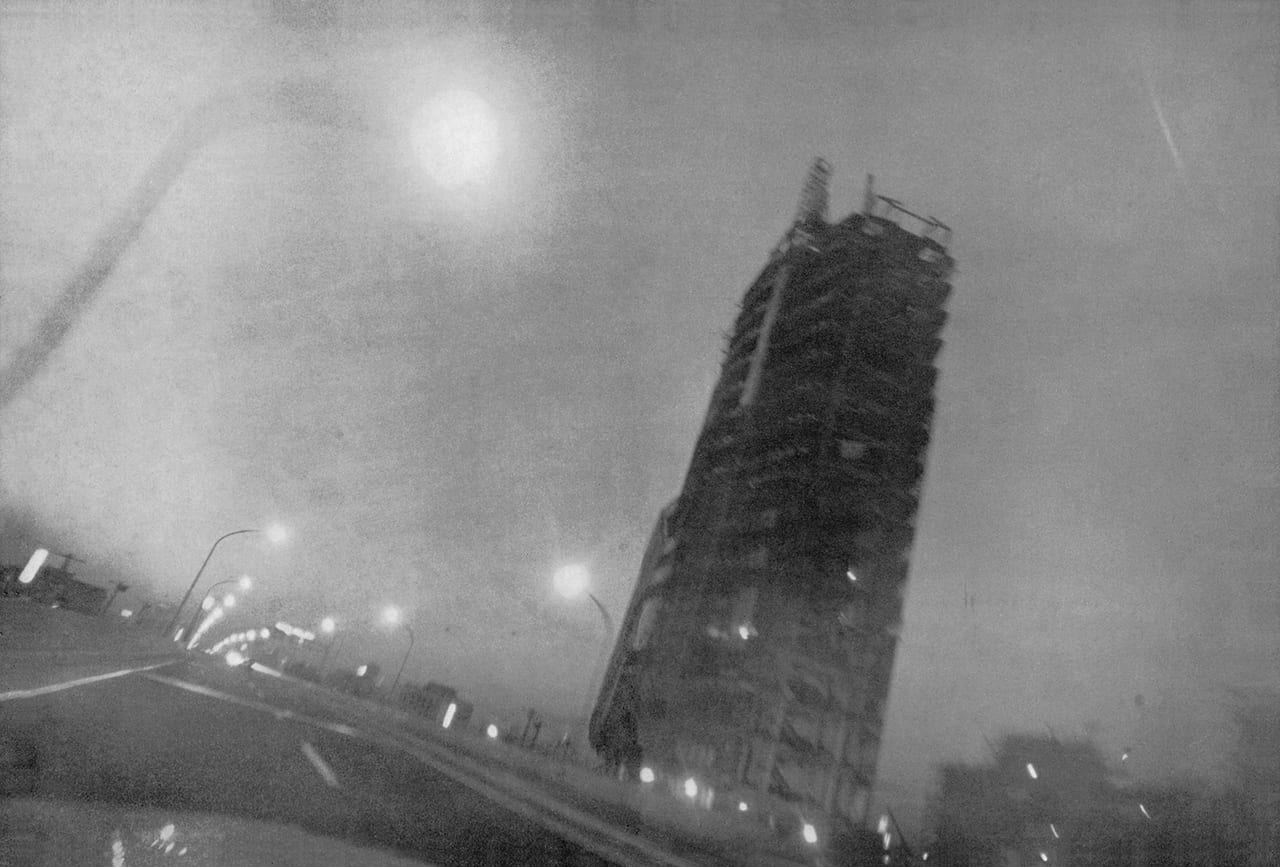
    Kanemura is also a photographer from Tokyo and his work can strangely be described as 80's cyberpunk / サイバーパンク.
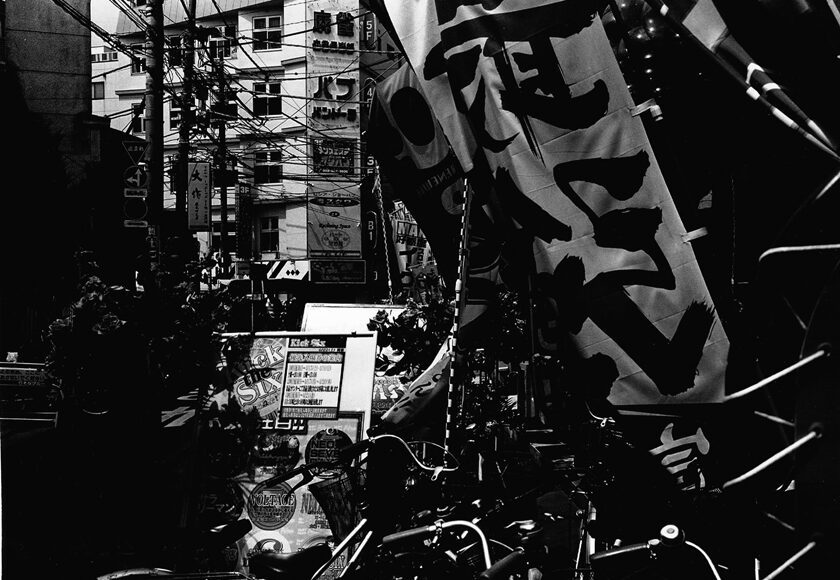
    cyberpunk 1977

    He shot with a Plaubel Makina 6x7 / プラウベル・マキナ (I'll write more about this meme of a camera later) in his famous work
    titled "Spider Strategy" / 蜘蛛の戦略 which portrays the then aesthetic capital of the world as this pretty serial experiments
    lain-esq tangled-with-wires dystopia.
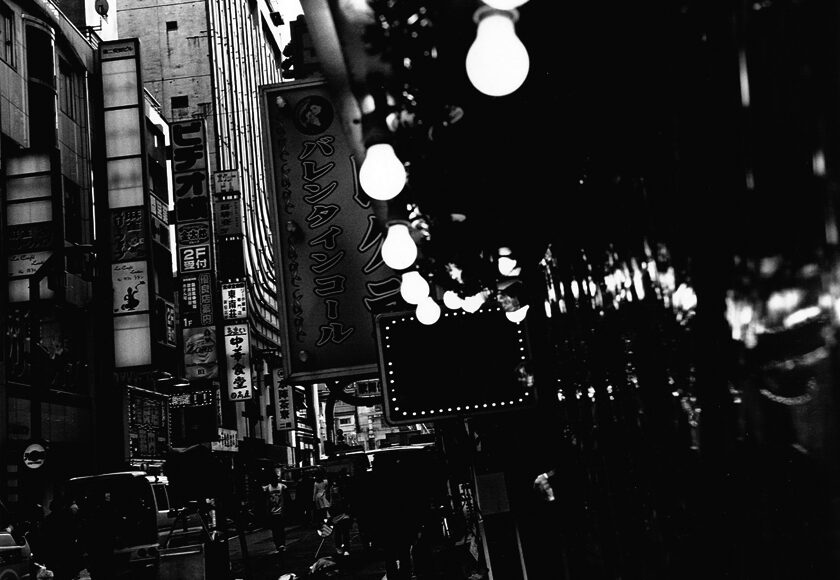
    Kanemura's tangled wires

    Buying his photobooks at the time surely must have felt like paying for garbage and believe me people really loved to shit on him for it.

    Folks at that time were probably trying their best with post-war recovery efforts... Trying to fix the country's image and the city and here was this magazine delivery boy selling photobooks full of the most unholy, untidy, dirtiest corners of the capital city, so his fan mail must have been 90% death threats.

    "I don't want to create a main character and provide a central focus for the image" "Everything showed in these pictures is significant. I don't want to express hierarchy between different elements" - he says.

    I believe this man hated the city. Saw it as a toxic ex now her nudes he must leak to the world to see

    Borrowing words directly from his website;

    The World Cares Nothing For Us

    However much we care about the world, the world cares nothing for us. That simple and clear reality is where I start. The world which displays itself before our eyes may seem very remote from "me," but this doesn't imply at all that the worlds has cast "me" out; that statement implies only that a wounded human feels that the world has rejected him. Landscapes are landscapes. They simply exist with no regard for "me." Unlike our interior landscapes, they are not at all obscure. The reason one takes a camera in hand is to break the link that seems to bind the landscape to the self. - Osamu Kanemura

    This is the same philosophy that Daido Moriyama had, but Kanemura took it to a whole new level.

    He didn't just want to capture the mundane; he wanted to capture the chaos, the noise, the clutter of modern life.

    His photos are like a visual representation of the noise in your head when you open Twitter or Instagram.

    He was like the punk rock of photography, flipping off the establishment and saying, "This is what the world really looks like."

    His work is a reminder that photography doesn't have to be pretty or perfect; it can be raw, messy, and real.

    Perhaps Kanemura Only ever wanted to feel what was not granted to him by the world,

    Acceptence with all his tangled up self, maybe his work was a scream into the void to be noticed .

    Kanemura would go on to continue his day job of being a newspaper boy / 新聞配達 his entire life

    and perhaps all his earnings from the job went into fuelling his mission

    he uses a Plaubel Makina 6x7 to shoot, which was a medium format camera / 中判カメラ with each roll of film containing only about 12 exposures

    Kanemura would religiously shoot tens of thousands of pictures and is known to be very selective with the whole process, often tearing out prints

    which he would deem imperfect (or perfect, idk its hard being his work i guess) . This of course burns through stacks of cash like there's no tommorow

    Perhaps some things in life are truely priceless, however muddy, tangled mess it may be .

    Shindark
    🌸 Under Construction 🌸
    🌸 🌸

    アNIME

    or: things that lived in my head rent-free

    These are the works that broke me and put me back together differently.
    The ones I think about at 3AM when I should be sleeping.
    The ones that made me feel less alone in a world that often feels designed to isolate.
    I'm not going to explain them to you. I'm going to tell you what they meant to me.


    Serial Experiments Lain
    シリアルエクスペリメンツレイン

    「シリアルエクスペリメンツレイン」
    1998 | 13 Episodes | A Beacon in the Digital Void デジタルの虚無

    The first time I watched Lain, I didn't understand it.
    The second time, I still didn't understand it.
    I've watched it probably forty-something times now and I still don't understand it.
    But somewhere around the tenth viewing, I stopped needing to understand it.
    The not-understanding became the point.

    Lain feels like a memory of something that hasn't happened yet.
    It's 1998 and it's predicting our entire existence—social media, always-online, the dissolution of self into digital fragments—but it's not smug about it.
    It's not going "see? we told you so." It's sitting next to you, equally confused, equally scared, asking "what does this mean?"
    And not having an answer.

    What gets me most about Lain is the loneliness
    Not the loneliness of being alone, but the loneliness of being everywhere.
    Lain becomes a god of the Wired / ワイヤード and in doing so loses every real connection she ever had.
    She can be anywhere, talk to anyone, exist in every screen simultaneously—
    and she's the loneliest character I've ever seen in anything.

    I think about that a lot.
    How we have all these ways to connect now.
    How we're more connected than any humans have ever been in history.
    And how, somehow, that connection feels thinner than ever.
    Like we're all Lain, fragmented across platforms, present everywhere and nowhere,
    watching ourselves be perceived and wondering if anyone actually sees us.

    There's a scene near the end where Lain erases herself from everyone's memories.
    She chooses to be forgotten so that the people she loves can have normal lives.
    And I think that's the most human thing anyone could do in a world where everything is recorded and nothing is ever truly deleted.
    To choose to be forgotten. To choose absence over presence.
    To let go of the desperate need to be seen, to be known, to exist in others' minds.
    That's not weakness. That's a kind of strength I can barely comprehend.

    Lain destroyed me the first time I watched it.
    It still destroys me every time.
    But it's a good destruction. A cleansing one.
    Like crying until you're empty enough to feel peace.


    Neon Genesis Evangelion

    ☯ NEON GENESIS EVANGELION ☯
    1995 | 26 Episodes | ロボットに乗れ

    Evangelion is a show about a boy who doesn't want to pilot a giant robot.
    That's the surface reading, anyway.
    What it's actually about is the fact that sometimes you don't want to do anything at all.

    I remember watching the early episodes and thinking "get in the robot, idiot."
    And then I kept watching.
    And somewhere along the way, I became Shinji / シンジ.
    Or maybe I'd always been Shinji and just hadn't admitted it to myself.

    There's this moment in Episode 4—the whole "hedgehog's dilemma" / ハリネズミのジレンマ thing.
    Hedgehogs huddle together for warmth but their spines prick each other, so they move apart and freeze.
    They need each other to survive, but being close hurts.
    I felt that in my chest like a physical weight.
    Because that's what it feels like, doesn't it?
    Wanting connection but being terrified of it.
    Pushing people away because closeness has only ever meant pain.

    The show doesn't offer easy comfort.
    It doesn't say "it gets better" or "you just need to try harder."
    It says: this is what it feels like. This is what being broken looks like.
    And then, miraculously, it says: that's okay.
    You can be broken and still deserve to exist.

    The ending is infamous. The original TV ending with its limited animation and psychological abstractness.
    People hated it. They wanted robot fights, not existential therapy.
    But I loved it. Because for once, a story looked depression in the face and said:
    the only way out is through.
    You have to learn to love yourself. Not in some toxic positivity way,
    but in a "you are the only person who will be with you from birth to death, so you might as well make peace" way.

    Shinji Ikari is not a cool protagonist.
    He's weak, scared, runs away constantly, craves validation he never gets.
    He's everything a hero isn't supposed to be.
    And that's exactly why he matters.
    Because most of us aren't heroes. Most of us are just trying to survive.
    Most of us are Shinji.

    Hideaki Anno 庵野秀明 was severely depressed when he made this show.
    You can feel it in every frame.
    This isn't entertainment designed to distract you from your problems—
    it's art / 芸術 made by someone who understood.
    And somehow, being understood, even by a work from 1995, matters more than any amount of escapism.


    Texhnolyze
    テクノライズ

    ▓▓▓ TEXHNOLYZE / テクノライズ ▓▓▓
    2003 | 22 Episodes | The Bleakest of Them All 最も暗い作品

    I need to warn you about Texhnolyze.
    Not because it's violent or disturbing, though it is both.
    But because it might be the bleakest piece of media I've ever consumed, and I'm including actual documentaries about real tragedies in that assessment.

    The show takes place in an underground city called Lux ルクス.
    Nobody knows why it exists. Nobody knows what its purpose is.
    People just... live there. Fight there. Die there.
    And the whole time, there's this sense that none of it matters.
    Not in a nihilistic "nothing matters so do whatever" way—
    but in a more honest, brutal way: systems continue without purpose,
    people continue without hope, and the void doesn't care about your suffering.

    So why watch something like this?

    Because sometimes the darkest art is the most honest.
    We're surrounded by media that promises everything will be okay.
    That struggle leads to growth, that darkness is just setup for the light.
    Texhnolyze says: maybe not.
    Maybe things just end. Maybe meaning is something we impose on a universe that doesn't have any.

    There's a strange comfort in that.
    Not a happy comfort. Not a "everything is fine" comfort.
    But the comfort of being seen.
    Of having someone acknowledge that sometimes life is just... this.
    Suffering without redemption. Effort without reward. Existence without meaning.

    The final episode wrecked me for days.
    I won't spoil it, but I will say that it doesn't try to give you hope.
    It doesn't try to make the suffering meaningful.
    It just presents an ending, and lets you sit with it.
    And there's something almost sacred about that kind of artistic honesty.

    I don't rewatch Texhnolyze the way I rewatch Lain or Evangelion.
    It's too heavy for that.
    But I think about it constantly.
    About the characters who kept going even when there was nothing to go toward.
    About what it means to live when living is the only option left.


    Ghost in the Shell
    (1995) 攻殻機動隊

    「攻殻機動隊」
    1995 | The Film That Inspired The Matrix マトリックスの元ネタ

    The Major—Motoko Kusanagi / 草薙素子—is a cyborg.
    Her body is entirely artificial. Her "ghost" (her consciousness, her soul, her self) exists in a shell that she didn't choose.
    And the central question of the film is: what makes you you?
    If your body can be replaced, your memories manipulated, your consciousness copied—
    what's left? What's the irreducible core of identity?

    I've thought about this question for years.
    Not because I'm a cyborg, but because I'm a person who exists online.
    I have profiles, personas, avatars, usernames.
    Different versions of myself for different spaces.
    Sometimes I look at my social media presence and wonder: which one is the "real" me?
    The curated one? The anonymous one? The one I present to family versus the one I present to strangers?

    The Major dives into the net at the end of the film and merges with an AI.
    She doesn't defeat it or destroy it—she becomes something new with it.
    Human and machine. Individual and collective.
    And I've never been able to decide if that's a happy ending or a terrifying one.

    Maybe it's both.
    Maybe that's what we're all doing right now—slowly merging with our technology,
    becoming something that past humans wouldn't recognize.
    Not losing our humanity, but transforming it into something we don't have words for yet.

    Ghost in the Shell influenced The Matrix.
    It influenced basically every piece of cyberpunk media that came after it.
    But its influence isn't what makes it matter to me.
    What matters is that it asked questions I'm still trying to answer,
    and trusted me enough not to provide easy answers.

    🎬 Total anime watched: Too many to count 💔 Times emotionally destroyed: Also too many
    ⭐ Reviewing your life choices in progress ⭐

    Reviews
    レビュー

    hot takes on things that probably don't need reviewing
    レビューする必要がないものへのホットな意見

    I rate things. Arbitrary numerical values assigned to objects and experiences.
    These are my personal thoughts. Your mileage may vary. That's the point.


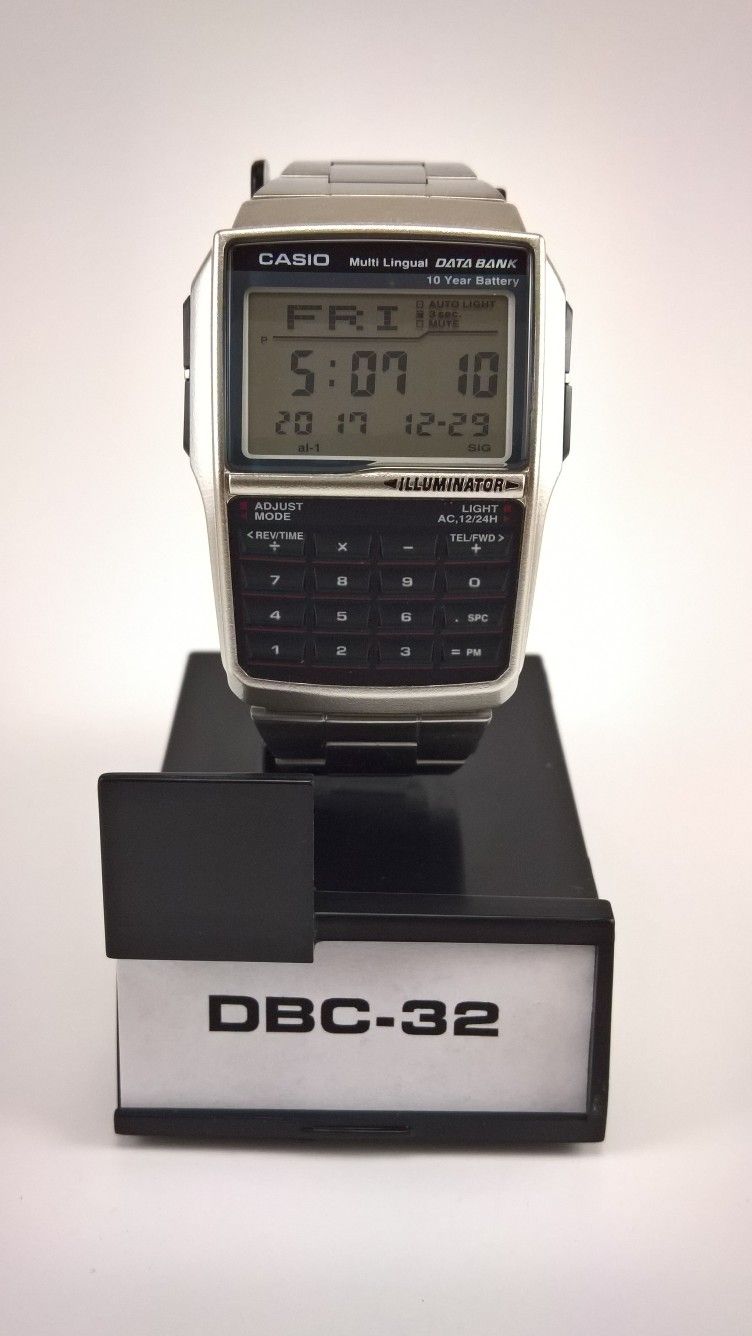
    Casio Databank DBC-611
    カシオ・データバンク

    Rating: ★★★★★ (5/5 stars)

    Casio Databank DBC-611

    ◈ CALCULATOR WATCH ◈
    Est. 1980s | The Original Smartwatch

    Picture this:
    You're at a restaurant. The bill comes. Everyone's reaching for their phones to calculate the split.
    You look at your wrist, tap a few buttons, and BAM—you've calculated 15% of ¥14,380 without touching your smartphone.
    That's power. That's the DBC-611. I hope apple doesn't make a lobotomy version of this watch in the future and call it the "iTip" or something. [ Edit : They did. It's called the Apple Watch. Battery life lot less than 10 years, and you can't even store phone numbers in it !!! ]

    The Databank series started in the 1980s, back when having a calculator on your wrist was the height of technology.
    This wasn't just a watch—it was a statement. A tiny computer you wore.
    Businessmen stored phone numbers in it. Students cheated on math tests with it.
    It was the smartwatch before smartwatches, except it actually worked and didn't need charging every night.
    I lost mine in a train bathroom in 2020. I still think about it sometimes.

    Features that slap:
    - Calculator (yes, on your wrist, deal with it)
    - Telememo: 25 pages of contacts
    - Motion-sensing automatic LED backlight (because pressing a button is too mainstream)
    - Stopwatch (for timing how long it takes to explain to your friends that yes, this is a calculator watch)
    - 5 alarms (wake up five times, I guess)
    - 10-year battery (ten. years.)
    - Water resistant (not "swim with dolphins" resistant, but "forgot to take it off while washing hands" resistant)

    The keypad is tiny. Your fingers are probably too big. That's part of the charm.
    This watch forces you to be precise. To take your time. To actually think about what you're doing instead of mindlessly tapping a glass rectangle.
    In a world of devices that anticipate your needs before you have them, there's something refreshing about technology that demands your attention.

    I wear this when I want to feel like a 1980s businessman who just discovered personal computing.
    Which is honestly most days.

    ═══════════════════════════════════════════════

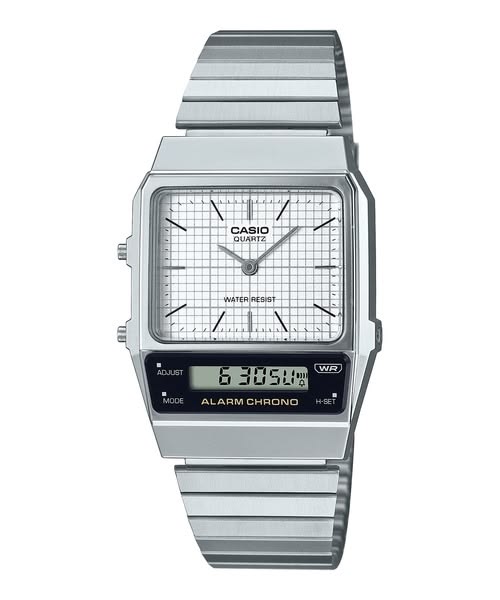
    Casio AQ-800E / カシオ AQ-800E

    Rating: ★★★★★ (5/5 stars)

    Casio AQ-800E

    ◈ ANA-DIGI HYBRID ◈
    Est. 1980s | Two Faces, One Watch

    The AQ-800E is what happens when someone at Casio / カシオ digs through the archives and decides the world wasn't ready for the AQ-450 to die.
    An analog dial. A digital LCD. Separate but coexisting.
    Like a divorcé and their ex who still share an apartment and somehow make it work.

    The heritage here is real—this design philosophy goes back to the 1980s when Casio was experimenting with combining traditional watch aesthetics with digital functionality.
    Most attempts at "ana-digi" watches look like two different watches fighting for dominance on your wrist.
    The AQ-800E somehow makes it look intentional. The analog side does its thing. The digital side does its thing.
    Neither acknowledges the other. They just... exist. Together. In harmony. Best used by people who have friends on the other side of the world, to coordinate minecraft sessions.

    What you get:
    - Dual time (Already better than most Rolexes)
    - Daily alarm (and hourly, to publicly announce your existence in a silent room every 60 mins)
    - Stopwatch (important for beyblade)
    - 7-year battery (Will outlive your marriage if you are from america)
    - Grid pattern on the face that screams "I made important financial decisions in 1987 - Water resistant (like, actually . The IP68 hoax wasnt invented back then)"

    I don't want a watch that does not chime every hour to remind me that time is passing and I am not doing enough with it.
    I need to know what time it is, and occasionally I need a stopwatch.
    The AQ-800E does exactly that, with the kind of style that only exists when Japanese engineers decide to make something both practical and weirdly beautiful.

    Costs like $30. Will outlast civilization. Five stars, no notes.

    ═══════════════════════════════════════════════

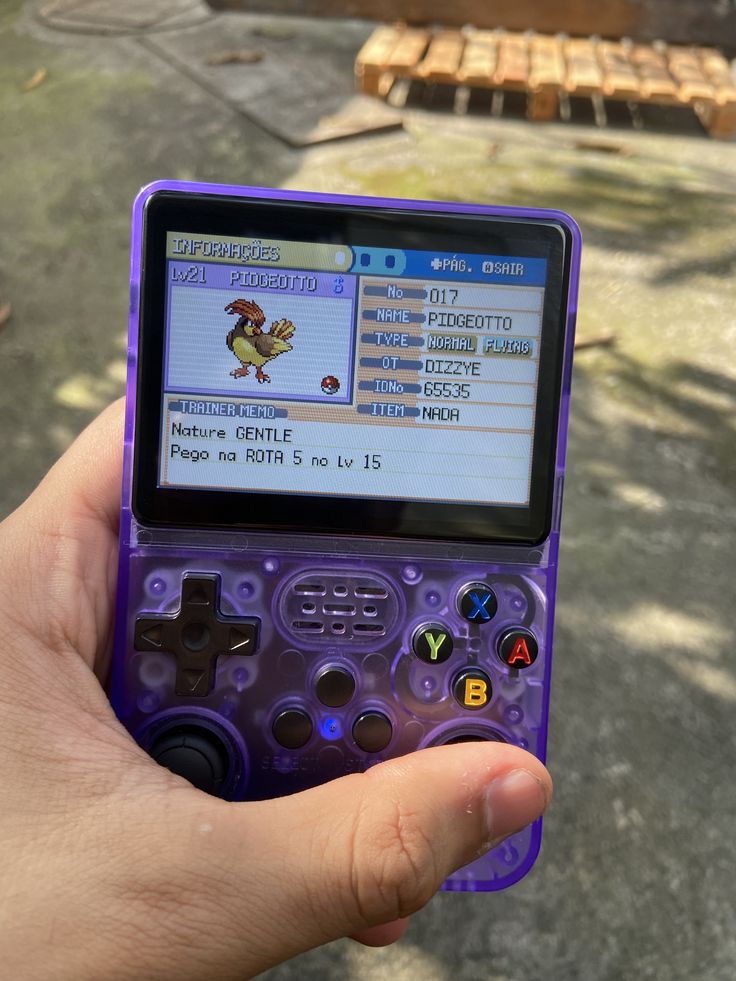
    R36S Handheld Gaming Console / R36S携帯ゲーム機

    Rating: ★★★★☆ (4/5 stars)

    R36S Handheld

    ◈ RETRO EMULATION ◈
    Est. 2023 | Portable Nostalgia Machine

    The R36S is what happens when someone in a factory in Shenzhen / 深圳 asks: "What if we made a Game Boy, but it could play literally everything from 1970 to 2005?"
    And then they actually did it. For $28.

    This thing runs emulators up through PlayStation 1, Dreamcast, and some Nintendo 64.
    On a $28 device.
    The screen is 3.5 inches. The buttons click satisfyingly. It has actual analog sticks.
    You can fit your entire childhood in a microSD card and carry it in your pocket.

    The heritage: This is part of a long tradition of Chinese handheld emulation devices,
    each one slightly better than the last, all of them existing in a legal gray area that Nintendo pretends doesn't exist.
    The R36S specifically is the successor to the R35S, which was itself a refinement of earlier devices.
    It's evolution in action. Survival of the fittest handheld.

    The good:
    - Plays everything from NES to PS1 flawlessly
    - Runs N64 and Dreamcast (mostly)
    - Battery lasts forever because it's not trying to render 4K anything
    - Costs less than a single Switch game
    - Fits in your pocket without creating a suspicious bulge

    The not-so-good:
    - Setup requires some technical knowledge (you need to add your own ROMs, wink wink)
    - The screen is small and text-heavy games are rough
    - N64 emulation is hit or miss
    - No internet connectivity, but honestly? That's a feature. - The battery died after 3 months of use, but I replaced it with a 3rd party battery and it's fine now.

    Loses one star because it's not officially sanctioned and that gives me slight moral anxiety.
    But also, corporations have been extracting money from our nostalgia for decades, so maybe this is karma.

    ═══════════════════════════════════════════════

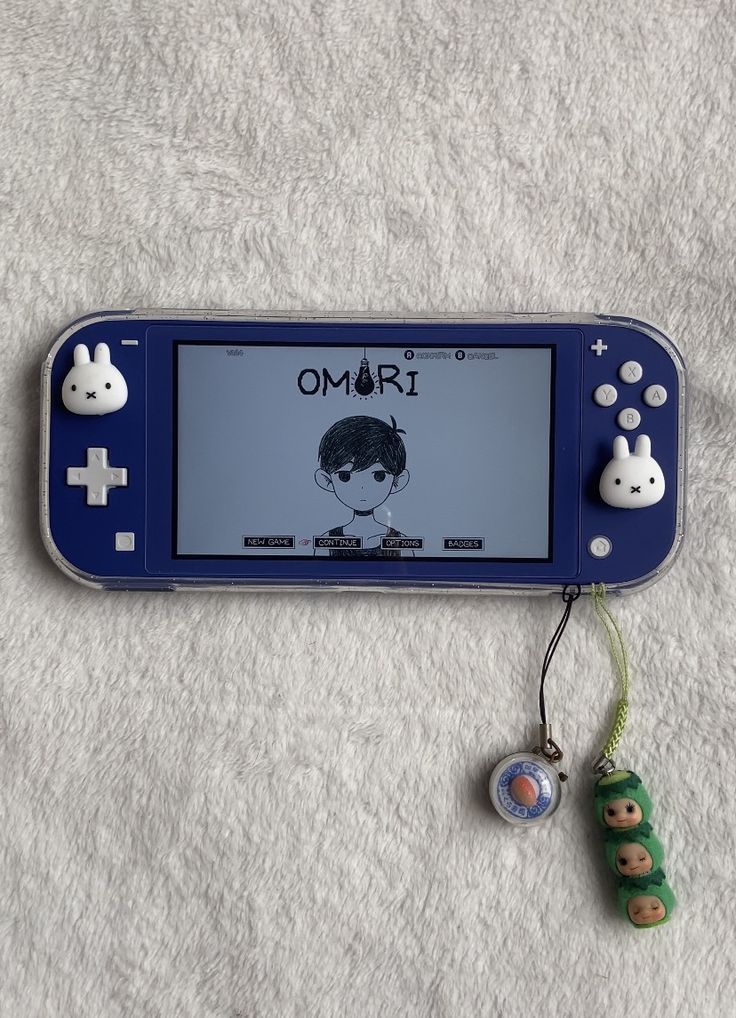
    Nintendo Switch Lite

    Rating: ★★★☆☆ (3/5 stars)

    Nintendo Switch Lite

    ◈ HANDHELD ONLY ◈
    Est. 2019 | The Switch That Doesn't Switch

    The Switch Lite / スイッチライト is what happens when Nintendo / 任天堂 realizes that not everyone wants to pay for features they'll never use.
    "What if we made a Switch that doesn't... switch?" someone probably said in a meeting.
    And somehow that made sense.

    The heritage: Nintendo has a long history of making handheld-only versions of their hybrid devices.
    The Game Boy, the DS, the 3DS—all dedicated portables. The Switch Lite is actually a return to form,
    a spiritual successor to the Game Boy Advance in a world that had moved on to tablets and phones.

    What I like:
    - Lighter than the regular Switch (obviously)
    - The D-pad is actual buttons, not four separate buttons masquerading as a D-pad
    - The battery life is better because it's not driving a big screen and detachable controllers
    - It feels like a real handheld, not a tablet with controllers stuck to it - Comes in fun colors, like turquoise and yellow . Fun colors are important for mental health. - Can actually fit in my pocket without looking like I'm smuggling a brick - will outlive the regular switches

    What drives me insane:
    - No OLED option.

    Switch lite is the best switch on the market
    If you want to play Animal Crossing in bed at 2AM, the Lite is perfect.
    If you want to play local multiplayer on a TV, you're out of luck.
    Three stars because nintendo still shafted us with paid online subscriptions

    ═══════════════════════════════════════════════

    Yashica MF-2 / ヤシカ MF-2

    Rating: ★★☆☆☆ (2/5 stars)

    Yashica MF-2

    ◈ ZONE FOCUS CAMERA ◈
    Est. 1980s | Objectively Bad, Subjectively Perfect

    Okay. Let me tell you about the Yashica | ヤシカ MF-2.
    This is the camera that started my photography journey / 写真の旅.
    I found it in my parents' closet when I was a teenager with too much time and no money.
    And honestly? It's kind of terrible. But I love it anyway.

    The heritage: Yashica was a legendary Japanese camera maker, founded in 1945.
    They made some incredible cameras—the TLRs, the Electro 35, the Contax collaborations with Carl Zeiss.
    The MF series, however, was not their finest hour. It started with the Yashica 35 MF in 1977,
    riding the wave of point-and-shoot compacts with built-in flash.
    The MF-2 Super was... a continuation of that tradition. Let's call it that.

    The "features":
    - Zone focus (guess the distance, pray)
    - Fixed aperture (f/3.5 if you're curious, but you're not in control anyway)
    - Single shutter speed (1/125s, take it or leave it)
    - Built-in flash that's either "off" or "nuclear"
    - DX coding that claims to read ISO 100-400 but honestly who knows

    Why it's bad:
    Professional reviewers have called this "one of the worst cameras ever tested."
    The lens is mediocre. The exposure is hit or miss. The build quality feels like it was designed to be disposable.
    If you're looking for a camera that produces sharp, well-exposed images, look literally anywhere else.

    Why I keep it:
    Because sometimes the worst camera takes the best photos.
    Because the photos from the MF-2 look like memories—soft, grainy, imperfect.
    Because I learned photography on this thing, and you don't abandon your first love just because it's objectively bad.
    Because there's something honest about a camera that doesn't pretend to be more than it is. Because the flash is so bright it can light up a small room and make your friends look like ghosts.

    Two stars for quality. Five stars for sentiment.
    This review is rated two stars because I have to be objective, but my heart says five.

    ═══════════════════════════════════════════════

    PlayStation 2
    プレイステーション2

    Rating: ★★★★★ (5/5 stars)

    PlayStation 2

    ◈ THE GOAT ◈
    Est. 2000 | 160 Million Units Sold

    The PlayStation 2 / プレイステーション2 is the best-selling video game console of all time.
    Over 160 million units sold. Let that sink in.
    In an industry where "winning" a console generation means selling 50 million units,
    the PS2 sold 160 million. It didn't just win. It ended the conversation.

    The heritage: Released in 2000, the PS2 was Sony's / ソニー follow-up to the already-successful PlayStation.
    It had a DVD player built in—at a time when standalone DVD players cost hundreds of dollars.
    For many households, the PS2 wasn't just a game console. It was their first DVD player.
    It was a Trojan horse that entered living rooms as an entertainment device and stayed as a gaming platform.

    The library: / ゲームライブラリ
    Kingdom Hearts / キングダムハーツ. Shadow of the Colossus / ワンダと巨像. Metal Gear Solid 3. God of War.
    Grand Theft Auto III (and Vice City, and San Andreas). Final Fantasy X / ファイナルファンタジーX (and XII).
    Katamari Damacy / 塊魂. Ico / イコ. Devil May Cry. Okami / 大神. Persona 4 / ペルソナ4.
    Name a genre. Name a style. The PS2 had it. The PS2 defined it.

    Why it matters:
    The PS2 represents a moment when gaming went mainstream without losing its soul.
    The graphics were good enough to be impressive but bad enough to require imagination.
    The games were long, deep, and unapologetically complex.
    There was no DLC. No microtransactions. No always-online requirements.
    You bought a game, you played a game, you finished a game. Simple.
    and that already makes it leagues ahead of the Playstation 5

    I still have my PS2. It still works. I can put in Kingdom Hearts right now and it will play exactly as it did in 2002.
    No patches to download. No account to log into. No servers to worry about.
    Just me and the game. The way it should be.

    Five stars. No contest. This is what peak console looks like.

    ═══════════════════════════════════════════════

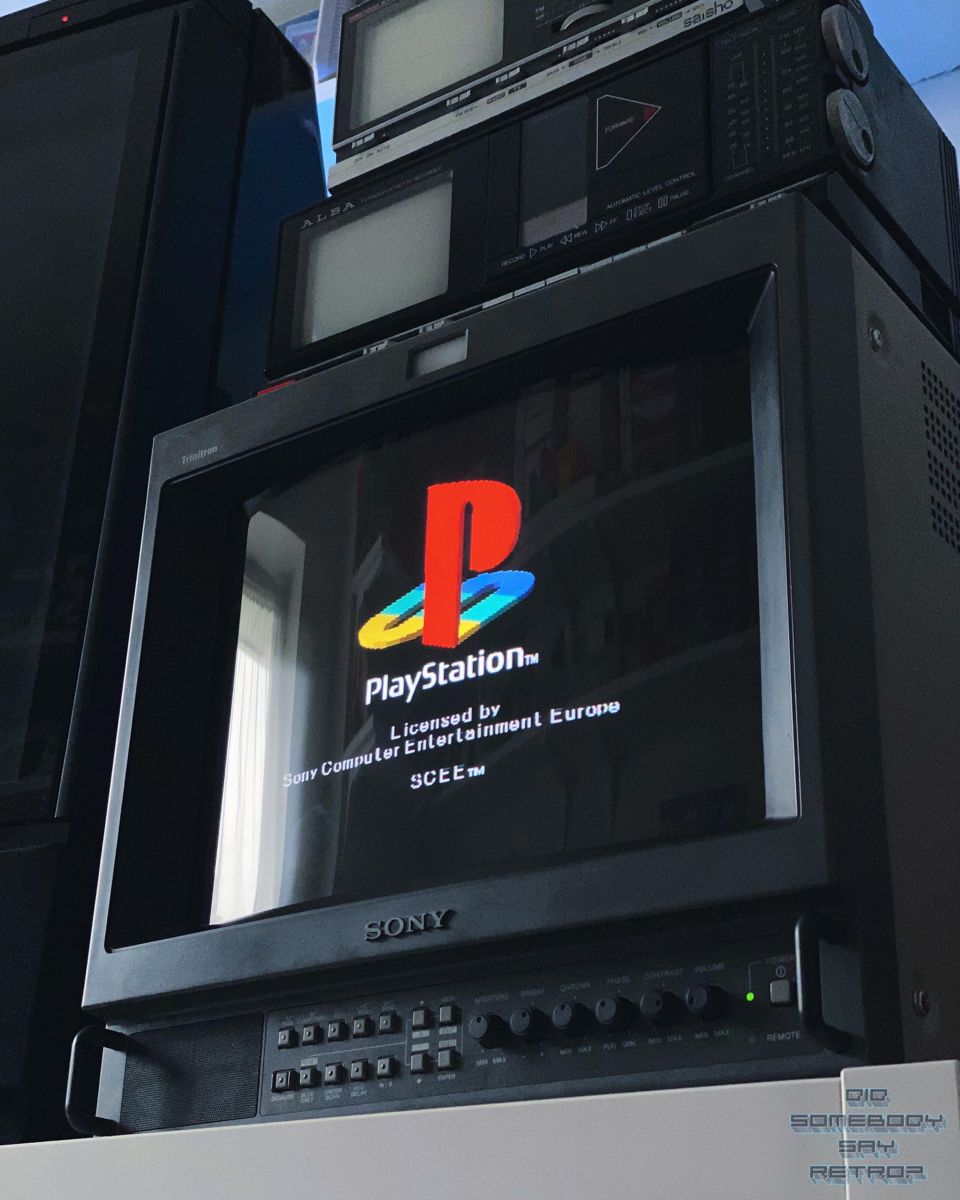
    Sony Trinitron
    ソニー・トリニトロン

    Rating: ★★★★★ (5/5 stars)

    Sony Trinitron

    ◈ CRT LEGEND ◈
    Est. 1968 | The King of Displays

    The Trinitron / トリニトロン is not a product. The Trinitron is a religion / 宗教.

    The heritage: Introduced in 1968, the Trinitron was Sony's aperture-grille CRT / ブラウン管 technology that produced images brighter and sharper than anything else on the market.
    For 30 years, if you wanted the best television or computer monitor, you bought a Trinitron.
    Broadcasters used them. Graphic designers used them. Gamers used them.
    They were the gold standard. The reference. The endgame.

    Why they're legendary:
    - Brightness that made other TVs look like they were covered in Vaseline
    - Colors that popped with an intensity LCDs still can't match
    - Zero input lag because the technology literally couldn't have lag
    - Motion clarity that modern displays are still trying to replicate with "black frame insertion" and other hacks
    - A build quality that meant these things survived for decades

    The retro gaming situation: / レトロゲーム事情
    If you play retro games on a modern TV, you're doing it wrong.
    Light guns don't work on LCDs. Scanlines are simulated poorly.
    The colors are wrong. The motion is smeared.
    A PS2 on a Trinitron vs. a PS2 on a 4K OLED isn't even the same experience.
    The Trinitron version is how the developers intended it. The OLED version is a compromise.

    My experience: / 私の体験
    I found a 14-inch Trinitron at a recycle shop for ¥500.
    It weighs more than it has any right to. The cabinet has scuffs from a previous life.
    When I turn it on, it makes that CRT sound—that high-pitched whine that people under 25 have never heard.
    And the picture. Oh, the picture.
    Final Fantasy X / ファイナルファンタジーX in 240p on a Trinitron is a religious experience / 宗教的な体験.

    These things are getting rare. People are throwing them away because they're "old."
    Meanwhile, retro gaming enthusiasts are fighting over them.
    If you see a Trinitron at a thrift store, buy it. Don't think. Just buy it.
    Future you will understand.

    Five stars. The king is dead. Long live the king.

    ═══════════════════════════════════════════════

    Existing at 3AM

    Rating: ★★★★☆ (4/5 stars)

    🌙 EXISTING AT 3AM 🌙
    The Witching Hour | Peak Productivity | Existential Crisis Mode

    The silence hits different. Your thoughts are louder but clearer.

    Loses one star because society refuses to accommodate the 3AM lifestyle.
    One day we will rise up.

    📝 Reviews written: 8 ⭐ Average rating: 4.1/5 ☕ Coffee consumed: ∞

    [ Ancient tomes from the pre-chatGPT era ]

    SO YOU WANT TO ABANDON THE SYSTEM?

    poor bocchi...

    Kita chan !! helppp I am getting hacked aaaaaaaaaaaa!!!!!!

    Dotto's Hacking Resources
    ドットのハッキングリソース

    Here are some resources i found over the internets (lainchan's hacking sticky) to help get started with hacking for all the folks who keep bugging me about hacking their ex's instagram


  • STEP 2 : PICK YOUR POISON FROM THIS AWESOME DATABASE

  • Then hit these links to polish your skills
    スキルを磨くリンク:

    Other Juicy places to check out
    その他のオススメ:

    Rei judges you

    This knowledge contained in the above links grants great powers like a certain spider used to say , "With great power comes great responsibility" / 「大いなる力には、大いなる責任が伴う」, so the inverse must also be true "with no power comes no responsibility" - is the motto to live by . Don't dive into the hacking rabbit hole / ハッキングの穴, close this page ... go outside , play with you dad.. the life of a hacker is a lonely one. You will be alone in the dark , staring at a screen for hours on end, trying to figure out how to get into some random person's computer. You will lose sleep, you will lose friends, and you will lose your sanity. But if you are still reading this rant......., then I wish you the best of luck. Just remember to always be ethical and responsible with your hacking skills. Don't be a jerk and hack into your ex's computer. If you do decide to go down this path, just know that you are not alone. There are many others out there who share your passion for breaking into things. So go out there and make a difference in the world, one exploit / エクスプロイト at a time.


    ⚠️ DISCLAIMER / 免責事項 ⚠️

    Hacking is illegal and unethical if done without permission. Always follow the law and ethical guidelines. The information here is for educational purposes only.

    To the FBI agent looking through my webcam : looking good, king
    FBIのエージェントさんへ:言ったから、ドアをノックしないでね 🙃

    Sakura
    { Aileen.exe }
    A Visual Novel project where you can talk with an anime girl (for real).
    { Banana OS.js }
    A mac OS experience in your browser.
    { awesome.lua }
    Dotfiles for awesome wm.
    { Pikachu.emulator }
    A browser OCPP emulator in a Pikachu interface.
    Start
    Internet Explorer